Liverpool’s Maritime Legacy as a Catalyst for Blue-Green Innovation
Liverpool, once the beating heart of the British Empire’s maritime trade network, is leveraging its rich port heritage to position itself as a leading blue-green innovation hub. In an era defined by climate change, coastal resilience and sustainable economic growth, this historic port city is reimagining its relationship with the sea, the River Mersey and its urban waterfront.
From smart ports and tidal energy to nature-based solutions and sustainable urban regeneration, Liverpool is testing how a city shaped by shipping and shipbuilding can reinvent itself around the blue economy and green technologies. The result is a case study in how industrial legacy, environmental policy and digital innovation can converge into a new model of coastal development.
From Atlantic Gateway to Blue Economy Laboratory
For centuries, Liverpool’s prosperity was tied to Atlantic trade. Its docks, warehouses and shipyards created jobs and wealth, but also left a legacy of heavy industry, pollution and derelict waterfronts. As global trade patterns shifted and containerisation transformed shipping, the city’s docks declined and large areas along the Mersey fell into underuse.
Today, that same waterfront is being rebranded as a testing ground for the blue economy: economic activities linked to oceans, seas, rivers and waterways that are both profitable and environmentally sustainable. Local authorities, universities and private companies are using Liverpool’s maritime infrastructure as an asset for:
- Marine renewable energy and tidal power projects
- Smart port logistics and low-carbon shipping
- Waterfront regeneration aligned with sustainability goals
- Marine science, ocean health and climate resilience research
In policy terms, this aligns Liverpool with broader UK and European strategies on the blue economy, decarbonisation and nature-positive growth.
A Smart, Low-Carbon Port at the Heart of the Strategy
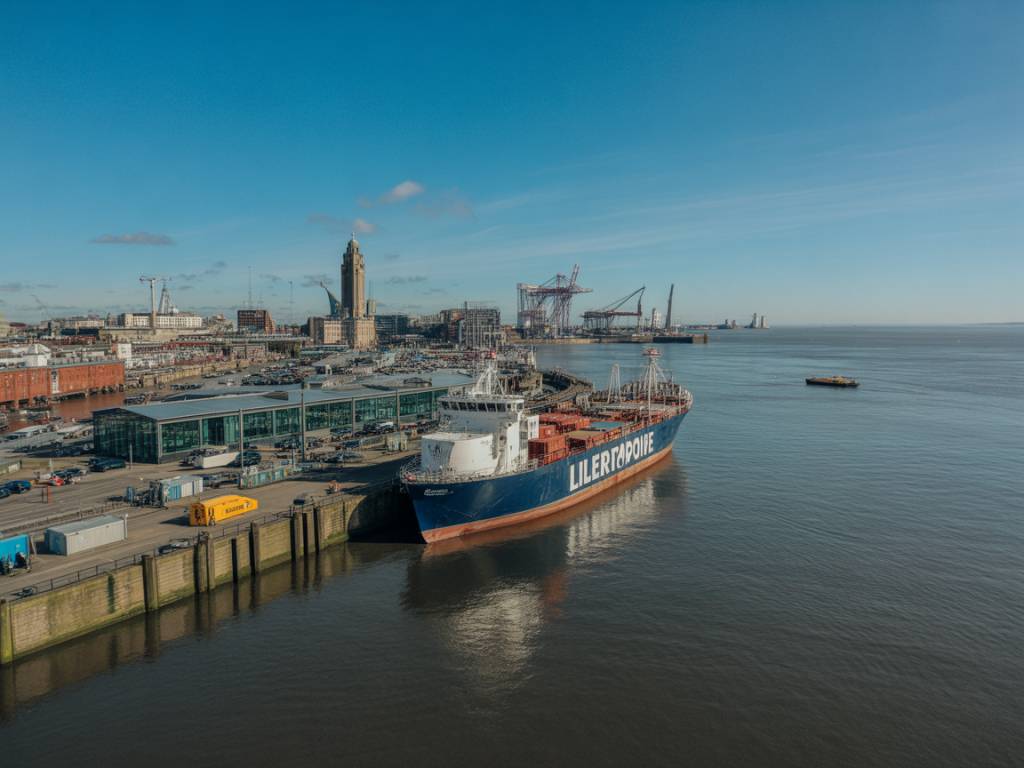
The Port of Liverpool remains central to the city’s economic identity. Managed by Peel Ports, it has been quietly transitioning from a traditional freight hub into a more intelligent, data-driven and energy-efficient port system.
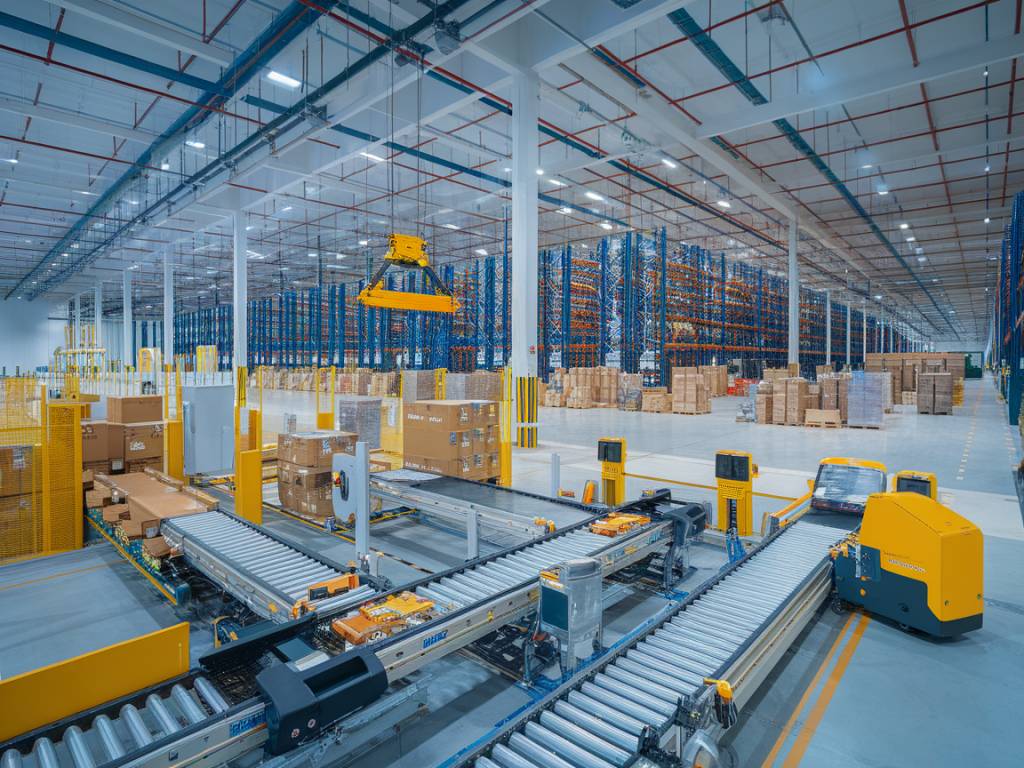
Digitalisation is at the core of this shift. Investments in automated terminals, real-time tracking systems, predictive maintenance and advanced logistics software are designed to cut waiting times, reduce fuel consumption and optimise vessel movements along the Mersey estuary. These steps are part of a broader trend towards “smart ports” that integrate data, sensors and AI to improve efficiency and cut emissions.
At the same time, Liverpool’s port strategy is increasingly framed through the climate lens. The focus includes:
- Reducing greenhouse gas emissions from port operations
- Encouraging shore power and cleaner fuels for ships
- Integrating renewable energy into port infrastructure
- Improving air quality in surrounding neighbourhoods
The goal is not only to maintain Liverpool’s role as a major UK logistics gateway but to make that role compatible with environmental targets and community wellbeing.
Blue-Green Infrastructure Along the River Mersey
Beyond the dock gates, Liverpool is experimenting with blue-green infrastructure: urban planning that treats water, nature and climate adaptation as core components of development. For a city whose identity is bound to the Mersey, this approach is both symbolic and practical.
Blue-green infrastructure projects seek to manage stormwater, reduce flood risk, improve biodiversity and create attractive public spaces. They include:
- Restoring wetlands and intertidal habitats along the estuary
- Developing green corridors between waterfront and city centre
- Using permeable surfaces and bioswales to reduce runoff
- Designing waterfront parks that double as flood buffers
These investments are particularly significant in the context of rising sea levels and more intense rainfall events. By combining engineering with ecology, Liverpool is trying to build resilience into its waterfront while preserving the iconic views and public access that are vital to its tourism and cultural economy.
Marine Research, Universities and Innovation Clusters
Liverpool’s transition toward a blue-green innovation hub is underpinned by its academic and research ecosystem. The city is home to institutions with deep expertise in oceanography, environmental science, marine engineering and climate research.
Universities and research centres are working on:
- Marine ecosystems and coastal biodiversity in the Irish Sea
- Climate modelling, sea-level rise and coastal flood risk
- Offshore renewable energy technologies
- Data science applied to ocean monitoring and maritime logistics
These research efforts are increasingly connected to industry. Innovation districts and science parks near the waterfront offer shared spaces for start-ups, established companies and academics. The objective is to turn theoretical research into commercial applications, whether in marine robotics, environmental monitoring, sustainable aquaculture or advanced materials for offshore structures.
By fostering this knowledge-intensive ecosystem, Liverpool aims to attract international talent, anchor high-value jobs and reinforce its reputation as a centre for marine and climate innovation rather than only for its historical shipping past.
Regenerating the Waterfront with Sustainability in Mind
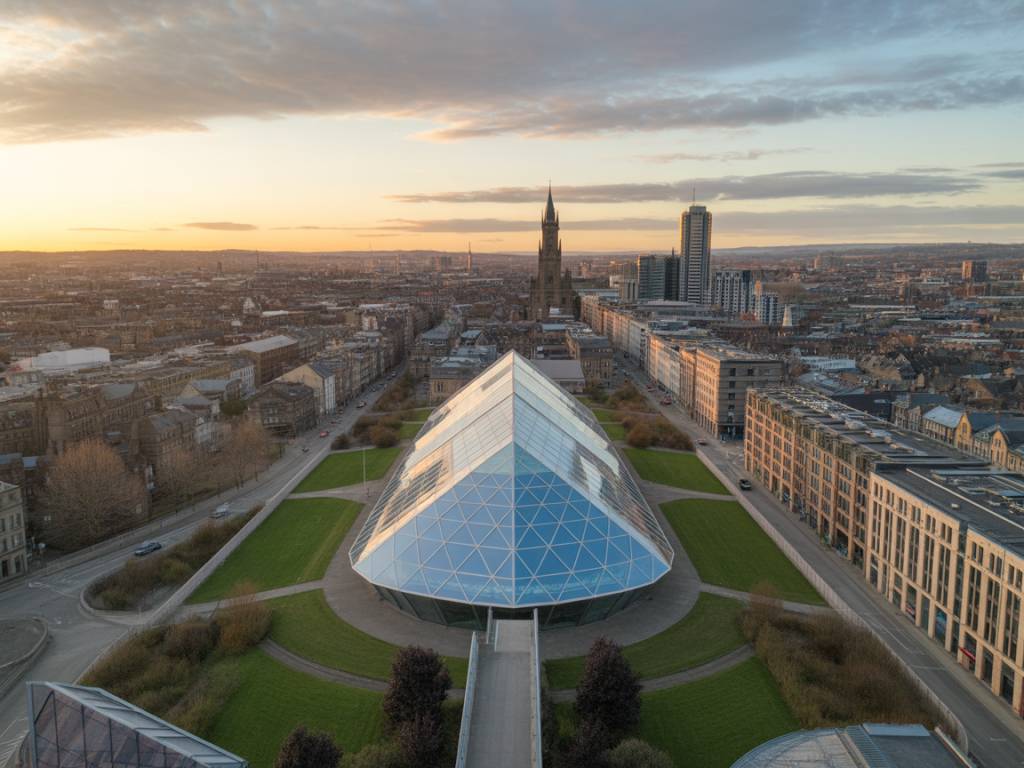
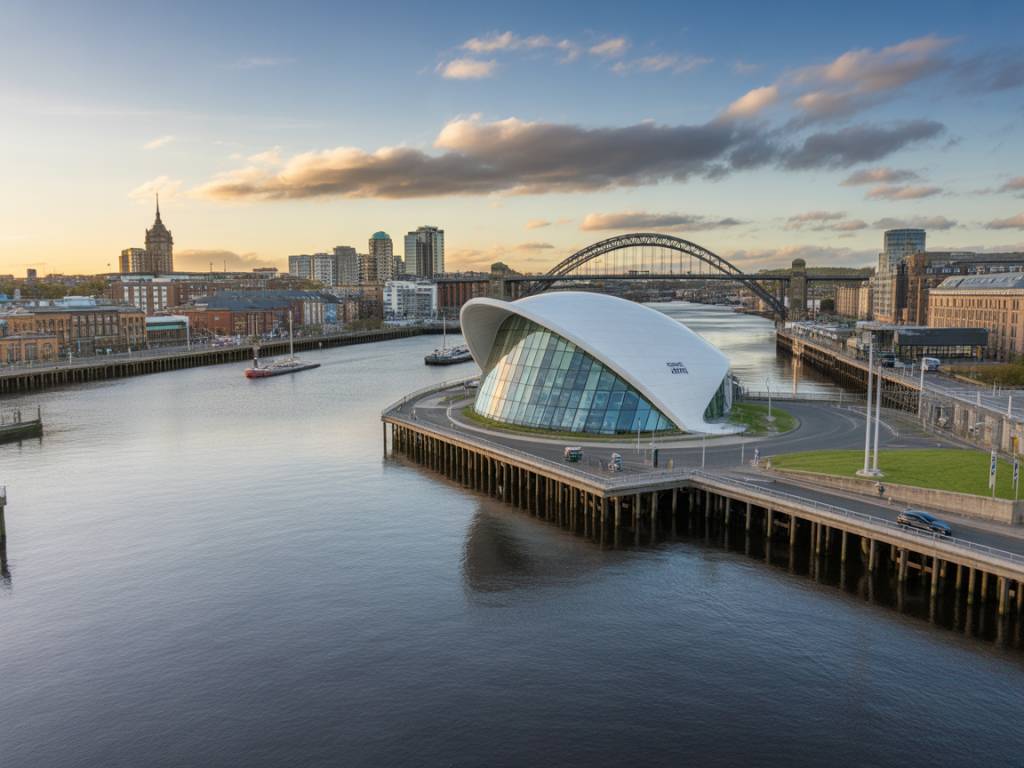
Liverpool’s waterfront regeneration is among the most visible expressions of its blue-green ambition. Large-scale developments along the Mersey combine residential, cultural, commercial and public spaces, consciously blending heritage preservation with modern sustainable design.
Key principles shaping these projects include:
- Reusing and retrofitting historic dock buildings rather than demolishing them
- Incorporating energy-efficient design and low-carbon materials
- Prioritising walking, cycling and public transport over private cars
- Creating accessible waterfront promenades, parks and cultural venues
The aim is to prevent the waterfront from becoming an isolated luxury enclave and instead turn it into a mixed-use, inclusive urban district that integrates climate resilience, social value and economic opportunity. For policymakers, this is also a way to connect Liverpool’s global brand as a maritime city with present-day concerns about livability, equity and the environment.
Blue Economy Start-Ups and Green Business Opportunities
Alongside infrastructure and research, a growing community of entrepreneurs is exploring blue economy and green business models in Liverpool. Drawing on the city’s maritime networks and its emerging innovation ecosystem, they are targeting niche but fast-growing markets.
Areas of activity include:
- Marine technology and sensors for ocean monitoring
- Data analytics for shipping efficiency and route optimisation
- Clean-tech solutions for ports, vessels and logistics chains
- Nature-based services, such as coastal restoration and environmental consulting
Supporting organisations, from incubators to public funding bodies, are trying to make blue and green innovation more investable. Access to testing facilities, such as port terminals, marine labs and coastal demonstration sites, gives start-ups a real-world sandbox to validate their technologies.
For a city historically associated with heavy industry and traditional shipping, this entrepreneurial pivot helps diversify the local economy and align it with global trends in climate technology and sustainable infrastructure.
Cultural Identity, Tourism and Public Engagement
Liverpool’s maritime heritage is not only an economic resource; it is also a powerful cultural asset. The city’s waterfront museums, music scene and architectural landmarks draw millions of visitors every year. Integrating blue-green innovation into this narrative is essential to securing public support and long-term momentum.
Educational programmes, exhibitions and guided tours increasingly address themes such as:
- The historical role of the port in global trade and migration
- The environmental impact of maritime industries
- Current climate challenges facing coastal cities
- How blue economy innovation can reshape the city’s future
By weaving sustainability into the story of Liverpool’s docks and riverfront, city leaders hope to create a shared sense of direction. Residents, students and tourists become participants in the city’s transition rather than passive observers of infrastructure projects.
Challenges on the Path to a Blue-Green Future
The transformation of Liverpool into a blue-green innovation hub is far from straightforward. The city faces real constraints and trade-offs, from funding gaps to complex governance structures and competing land uses along the waterfront.
Some of the key challenges include:
- Balancing commercial port operations with environmental restoration along the Mersey
- Ensuring that regeneration benefits local communities and not only outside investors
- Attracting long-term capital for climate-resilient infrastructure
- Coordinating policy across transport, housing, energy and environmental planning
Moreover, as climate risks increase, Liverpool must plan for more extreme scenarios, from storm surges to prolonged heatwaves. The city’s blue-green strategy will be tested by these realities, demanding continual adaptation of policies, engineering standards and urban design principles.
Liverpool as a Model for Coastal Cities
Despite these obstacles, Liverpool’s trajectory offers an instructive example for other historic port cities grappling with decarbonisation and economic renewal. By framing its maritime heritage as an asset rather than a burden, the city is building a narrative in which blue economy growth and green urban transformation advance together.
If Liverpool succeeds in aligning its port operations, waterfront regeneration, research strengths and entrepreneurial ecosystem around blue-green objectives, it will demonstrate how coastal cities can harness their past to shape a low-carbon, resilient and innovation-driven future. For policymakers, investors and urban planners studying the evolution of the blue economy, the Mersey is fast becoming a reference point for what is possible when maritime history meets climate-era ambition.