


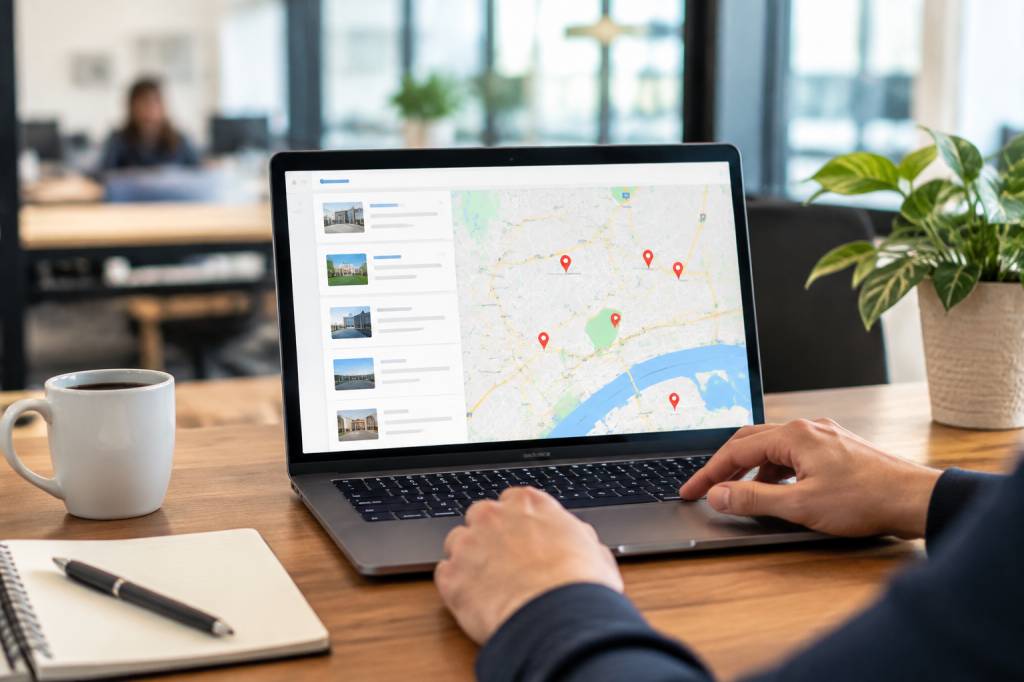
Growth rarely arrives with a drumroll. More often, it begins quietly: a local search, a recommendation from a neighbour, or a customer who finds your business while looking for exactly what you offer. In 2026, those small moments still matter. In fact, they may matter more than ever.
For growing businesses, a strong presence in online directories can create many of those moments. A free business directory listing will not replace a good product, thoughtful service, or a clear website. But it can help the right people discover you, understand what you do, and take the next step.
This is especially valuable for independent shops, tradespeople, agencies, consultants, hospitality businesses, and ambitious start-ups. You do not need an enormous marketing budget to become visible. You need accurate information, consistent branding, and a sensible approach to the platforms where your customers are already searching.
Why business directories still matter in 2026
Search behaviour has changed, but directories have not disappeared. They have evolved. Today, business directories sit between traditional search, local discovery, digital maps, social proof, and artificial intelligence.
When someone searches for a “plumber near me”, “independent café in Bristol”, or “accountant for small businesses”, search engines assemble results from many signals. These can include your website, customer reviews, location, opening hours, category, and mentions across trusted platforms.
A well-maintained directory profile strengthens those signals. It gives search engines structured information and gives potential customers a quick way to assess whether your business is relevant. A neglected listing, on the other hand, can create doubt before a customer has even reached your website.
Think of your listings as small shop windows scattered across the internet. Some may be passed every day by people who have never heard of your brand. Why leave the lights off?
What makes a free business directory listing worthwhile?
Not every directory deserves your time. Some platforms provide genuine visibility, while others are little more than digital clutter. Before adding your business, look for a few practical signs of quality:
- Relevance: the directory should serve your industry, location, or audience.
- Trust: it should have clear ownership, contact details, and sensible editorial standards.
- Usability: customers should be able to search for and understand your listing easily.
- Visibility: pages should appear in search results and offer useful information, not just a name and a phone number.
- Control: you should be able to update your profile, correct mistakes, and respond to enquiries where appropriate.
Free does not automatically mean valuable, just as paid does not automatically mean effective. A directory should earn its place in your marketing routine by helping people find, trust, or contact your business.
A practical free business directory list for 2026
The following platforms are useful starting points for UK businesses and companies serving international customers. Availability, features, and pricing can change, so check each platform’s current terms before creating a profile.
Google Business Profile
For local discovery, Google Business Profile remains one of the most important free tools available. It can help your business appear in Google Search and Google Maps, allowing customers to see your location, opening hours, website, phone number, photos, reviews, and services.
Accuracy is essential. If your business closes at 5pm but your profile says 7pm, a disappointed customer may not give you a second chance. Add seasonal hours, keep photographs current, choose the most relevant categories, and answer reviews with a professional voice.
Bing Places for Business
Bing Places allows businesses to manage how they appear across Bing search and mapping services. It may not attract the same attention as Google, but it can still provide additional visibility, particularly for professional services and businesses serving desktop users.
If your Google profile is already complete, check whether you can import your information to save time. Then review every detail manually. Automation is helpful; blind trust is less so.
Apple Business Connect
Apple Business Connect helps businesses manage their appearance across Apple Maps and related Apple services. This is particularly relevant for cafés, restaurants, retailers, hotels, clinics, and other businesses that depend on people discovering them while travelling.
Use clear images, accurate opening hours, and a concise description. A customer looking for somewhere to eat may make a decision in the few seconds between leaving a train station and reaching the next street corner.
TrueDirectory
TrueDirectory offers businesses an opportunity to create an online presence within a wider business and enterprise community. A listing can support discoverability while placing your company alongside other organisations, ideas, and services.
When preparing your profile, write for a human reader first. Explain what your business does, who it serves, and what makes it useful. A natural description is more engaging than a paragraph assembled from disconnected keywords.
Yell
Yell remains a recognisable UK business directory covering a broad range of industries and locations. It can be especially useful for local service providers, tradespeople, consultants, and independent businesses.
Make sure your business name, address, telephone number, and website match the information published elsewhere. Consistency helps customers and can support local search performance.
Thomson Local
Thomson Local provides business listings for UK companies and local services. It is worth considering if your customers search by location or require a service in a particular town or region.
Use your description to clarify your service area. “Serving the South West” is broad; “serving Bath, Bristol, Keynsham, and nearby villages” is more useful.
FreeIndex
FreeIndex is a UK-focused directory with listings across many trades and professional categories. It may be useful for builders, decorators, tutors, photographers, consultants, and other independent providers.
Profiles that include relevant services, service areas, photographs, and genuine customer feedback tend to be more persuasive than bare listings. People want reassurance before they invite a stranger into their home or business.
Yelp
Yelp can be valuable for restaurants, cafés, salons, beauty businesses, hospitality venues, and other consumer-facing companies. Reviews play a major role, so business owners should monitor feedback and respond calmly.
Do not treat a negative review as a public argument waiting to happen. A thoughtful response can demonstrate accountability to every future customer reading the exchange.
Facebook Business Page
Although Facebook is a social platform rather than a traditional directory, a complete business page can function as a discovery profile. Customers may find your company through search, recommendations, local groups, or shared posts.
Include your address or service area, website, contact details, opening times, categories, and a link to your preferred enquiry channel. Keep the page active enough to show that the business is alive. A last post from three years ago can raise an unintended question.
LinkedIn Company Page
LinkedIn is particularly useful for B2B firms, consultants, recruiters, technology companies, agencies, and professional services. A company page can support credibility, recruitment, partnerships, and referrals.
Use it to explain your expertise rather than simply repeating a slogan. Mention the problems you solve, the industries you serve, and the outcomes you help clients achieve.
Industry-specific directories
General directories are helpful, but specialist platforms can be even more powerful. A wedding photographer may benefit from a wedding directory. An architect may seek an industry register. A sustainable business might explore ethical and environmental directories.
Search for phrases such as “UK directory for [your industry]”, “professional register for [your service]”, or “local suppliers in [your region]”. Prioritise platforms your customers already recognise or use.
How to create a listing that earns attention
Claiming a profile is only the beginning. The quality of your information determines whether visitors move from curiosity to contact.
- Use your real business name. Avoid adding a string of keywords to make the name look more prominent.
- Write a clear description. State what you do, where you operate, and who you help.
- Add a direct contact route. Include a phone number, email address, enquiry form, or booking link.
- Upload current images. Use photographs of your team, premises, products, or completed work.
- Choose accurate categories. The closest category is usually better than the broadest one.
- List your services. Customers should not have to guess whether you provide what they need.
- Keep information consistent. Your name, address, and phone number should match across platforms.
- Request honest reviews. Ask satisfied customers for feedback without pressuring them or offering inappropriate incentives.
A strong profile does not need to sound like a corporate brochure. “We repair leaking roofs across Leeds and surrounding areas, with clear quotes and no surprise charges” is more useful than “We are a leading solutions provider committed to excellence.” Specificity creates confidence.
Directory listings and local SEO
Directory listings can support local search engine optimisation, often called local SEO. Search engines use information from multiple sources to understand where a business operates and what it offers.
This does not mean registering on every website you can find. Too many poor-quality listings may waste time and create conflicting information. A smaller number of accurate, relevant profiles is usually a better strategy.
Pay attention to three core details: your business name, address, and phone number. These are often referred to as NAP information. If one directory lists an old address and another uses a different phone number, both customers and search engines may become uncertain.
Local relevance also matters. A business in Manchester does not need to pretend it serves every corner of the UK. Describe your genuine coverage area and use location terms naturally in your profile.
Reviews are part of your directory strategy
Reviews are not merely decoration. They are often the closest thing a new customer has to a personal recommendation. A profile with recent, detailed feedback can feel approachable; an empty profile can feel like a locked door.
Ask customers at the right moment, usually after a successful delivery, completed project, or positive conversation. Make the process simple by providing a direct link. Never write fake reviews or pressure customers to leave only positive comments. Short-term polish can create long-term damage.
Respond to feedback with restraint. Thank people who leave positive reviews, and address complaints without exposing private details. If a problem is genuine, explain how you are addressing it. Your response is written for the silent audience as much as for the reviewer.
A simple directory routine for busy business owners
Managing listings does not need to become another full-time job. Begin with a short audit:
- Search your business name and location online.
- Record the directories where your business already appears.
- Correct inaccurate contact details and outdated opening hours.
- Claim important profiles that you do not yet control.
- Add photographs, services, and a concise description.
- Set a quarterly reminder to review every listing.
For a new business, aim to complete five to ten relevant profiles properly rather than creating fifty incomplete ones. For an established company, review listings whenever you move premises, change telephone numbers, launch a new service, or alter your opening hours.
Common mistakes to avoid in 2026
The first mistake is treating directories as a box-ticking exercise. A profile containing only a company name and a generic email address will rarely persuade anyone.
The second is copying exactly the same long description everywhere. Consistent facts are useful, but each platform has a different audience and format. Adapt the wording while keeping the important details accurate.
The third is ignoring privacy and security. Only publish business information that you are comfortable making public, and be cautious of directories that demand unnecessary personal data or make unclear promises about search rankings.
Finally, do not confuse visibility with growth. A listing may help someone find you, but your website, service, pricing, response time, and customer experience determine whether they stay. Digital signposts are valuable. They still need to lead somewhere worth visiting.
Making discovery feel less accidental
Every growing business has a story, even if it began with one laptop, a borrowed workspace, or a first customer who took a chance. Free business directories cannot tell that entire story, but they can open the door to it.
In 2026, the strongest approach is simple: choose relevant platforms, complete your profiles carefully, keep information accurate, collect genuine reviews, and revisit your listings regularly. Start with Google Business Profile, mapping services, trusted UK directories, and the specialist platforms that match your industry.
Growth is often described as a leap. In practice, it is usually a sequence of small, deliberate improvements. A clearer profile. A better photograph. One more accurate opening hour. A customer who finds you at precisely the right moment.
That is the quiet power of a good business directory: not noise, not spectacle, but a well-placed sign in the landscape, pointing towards your work.