


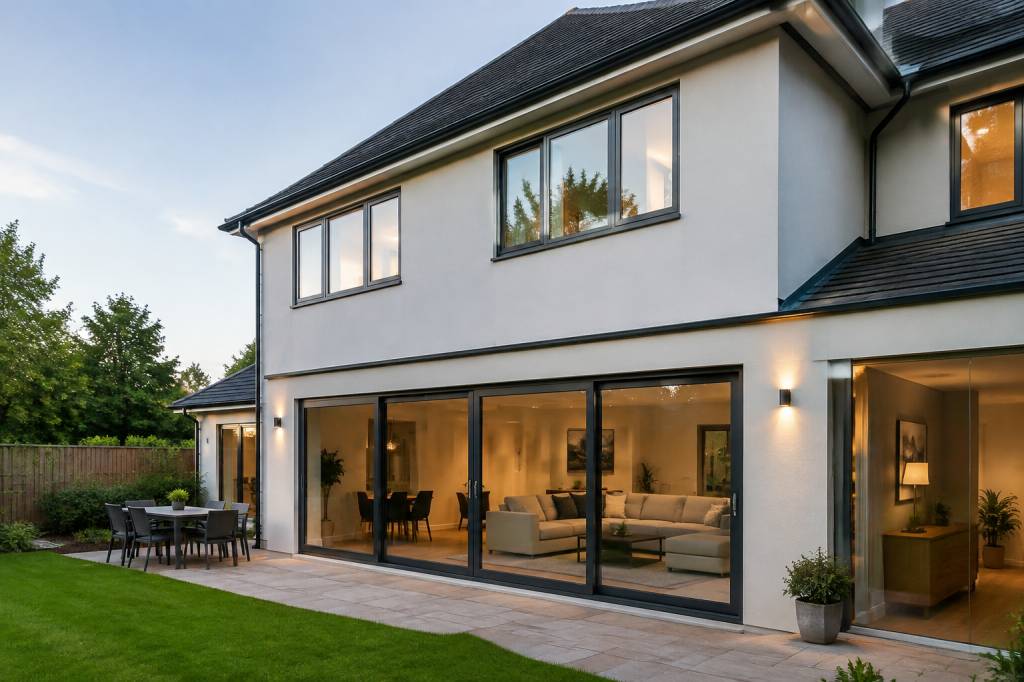
In Luton, the weather has a way of testing every building. Cold winds move across the Chilterns, rain finds the smallest weakness, and winter darkness arrives before the working day has properly ended. In that setting, windows and doors are not simply architectural details. They are part of a building’s defence system.
That is where direct glazing comes into its own. For homeowners, landlords, developers and commercial property managers, professional direct glazing in Luton offers a practical route towards warmer interiors, lower energy use and cleaner, more contemporary design. It can also help older buildings perform better without stripping away their character.
But what exactly does direct glazing involve, and how can you tell whether it is the right solution for your property?
What is direct glazing?
Direct glazing is a method of installing glass directly into a frame, façade or structural opening rather than relying solely on a traditional removable glazing bead system. Depending on the project, the glass may be bonded or fixed into place using specialist sealants, gaskets and support systems designed to provide strength, weather resistance and thermal performance.
The technique is used across a wide range of applications, including:
- Energy-efficient windows for homes and flats
- External doors and entrance systems
- Commercial shopfronts and office buildings
- Glass partitions and internal screens
- Roof glazing and atriums
- Replacement units in older or specialist frames
Its appeal lies in the combination of performance and appearance. With fewer visible frame elements, direct glazing can create a cleaner sightline and allow more daylight into a room. The result is often understated: a brighter interior, a quieter street view and fewer draughts. Good glazing does not demand attention. It simply makes the building feel better.
Why Luton properties need better glazing solutions
Luton is a town of contrasts. Victorian terraces sit close to new apartment developments, while commercial units, warehouses and converted buildings line busy routes around the town centre, Dunstable Road and the airport corridor. Each property type presents different challenges.
Older homes may have single glazing, poorly sealed frames or windows that have been repaired several times over the years. These issues can lead to heat loss, condensation and uncomfortable rooms. In commercial premises, inefficient glazing may increase heating costs while making the building feel less welcoming to customers and staff.
Modern developments have their own demands. Larger panes, minimal frames and expansive glazed façades look impressive, but they must be designed and installed correctly. A small mistake in measurement or sealing can become a serious problem when exposed to wind, rain and daily use.
Professional direct glazing helps address these challenges through a more carefully integrated approach. Instead of treating glass as an isolated component, an experienced installer considers the window, door, frame, building fabric and surrounding environment as one system.
Energy efficiency starts with the glass
Windows and doors can be among the weakest points in a building’s thermal envelope. Even when walls and roofs are well insulated, inefficient glass can allow warmth to escape and cold surfaces to develop around the frame.
Modern direct glazing systems can use double or triple-glazed units, low-emissivity coatings and thermally efficient spacers. These features work together to reduce heat transfer. In winter, more warmth remains indoors. In summer, solar gain can be managed more effectively, helping rooms avoid becoming uncomfortably hot.
The exact specification depends on the building. A family home may benefit from high-performance double glazing with a warm-edge spacer, while a large commercial elevation may require a more complex solar-control or laminated glass solution.
Important factors to discuss with a glazing specialist include:
- The number of panes in the unit
- The glass coating and low-emissivity performance
- U-values for the complete window or door system
- Solar-control requirements for south-facing areas
- Frame material and thermal-break design
- Air leakage and weather-sealing performance
A lower U-value generally indicates better insulation, but figures should not be viewed in isolation. The glass, frame, seals and installation all contribute to the final result. A premium glass unit fitted into a poorly prepared opening will not deliver its full potential. Even the finest coat needs a well-tailored jacket.
Comfort, condensation and healthier rooms
Energy efficiency is not only about bills. It is also about how a space feels on an ordinary morning.
Cold glazing can create chilly zones near windows and encourage condensation when warm indoor air meets a cold surface. Persistent condensation may contribute to mould, damaged finishes and unpleasant odours. While ventilation and indoor humidity must also be managed, modern glazing can reduce the cold surfaces that make the problem worse.
Directly glazed windows and doors, when correctly specified and sealed, can help create more consistent internal temperatures. A living room no longer feels like two climates divided by a sofa. A bedroom beside the window becomes more comfortable. Staff working near a glazed office wall are less likely to reach for a jumper in July simply because the air conditioning is fighting inefficient glass.
Good installation is essential. Frames must be level, joints must be sealed and drainage paths must remain clear. Water should be directed away from the building rather than trapped inside the system. These details may never appear in a brochure, but they often determine whether glazing performs reliably for years.
Design freedom for homes and businesses
One of the strongest advantages of direct glazing is its visual flexibility. Slimmer sightlines can make a replacement window feel less bulky, while large glazed panels can bring daylight into darker areas of a building. The effect is particularly useful in Luton properties where extensions, conversions and compact urban layouts may rely on every available source of natural light.
For residential projects, possible applications include:
- Sliding or bi-folding doors opening onto gardens and terraces
- Contemporary entrance doors with glazed side panels
- Fixed picture windows for improved views and daylight
- Rooflights and glazed extensions
- Replacement windows in renovated period properties
Commercial buildings can benefit from direct glazing in reception areas, shopfronts, meeting rooms and internal partitions. A well-designed entrance can communicate openness before a customer has spoken to anyone. In a competitive business district, that first impression carries weight.
There is also room for subtlety. Not every project needs floor-to-ceiling glass or a dramatic architectural statement. Frosted panels, textured glass, tinted coatings and carefully proportioned openings can provide privacy and character without sacrificing natural light.
Safety and security should never be an afterthought
Glass technology has moved well beyond the fragile panes many people remember from childhood. Depending on the application, direct glazing can incorporate toughened, laminated or acoustic glass, each selected for a particular purpose.
Toughened glass is designed to withstand greater impact and thermal stress than ordinary glass. If it breaks, it shatters into smaller granules rather than large sharp shards. Laminated glass contains an interlayer that helps hold the pane together after breakage, making it useful where security, safety or noise reduction is important.
For doors and accessible areas, a glazing professional should consider impact zones, edge protection and visibility markings. A beautifully clear glass door is not especially successful if visitors walk into it. Human beings are wonderfully adaptable, but not always at full speed before coffee.
Security also depends on the complete system. Strong glass cannot compensate for weak locks, poor hinges or an inadequately fixed frame. Ask about multi-point locking, hinge protection, reinforced profiles and the quality of the installation. A secure window is a partnership between glass, hardware and workmanship.
Noise reduction in a busy town
Luton properties may be exposed to traffic, aircraft, trains, construction work or the constant movement of an active town. Noise pollution is easy to underestimate until it begins to interrupt sleep, concentration or conversation.
Acoustic glazing can reduce unwanted external sound, although performance depends on more than thickness alone. Different pane thicknesses, laminated acoustic interlayers and carefully sealed frames can help limit the passage of noise. The surrounding walls, vents and doors must also be considered, since sound will search for the weakest route into a room.
A specialist assessment can identify whether the main issue is road noise, low-frequency vibration, aircraft activity or general urban sound. The right specification is more useful than simply choosing the thickest glass available. A quiet home is designed, not wished into existence.
Choosing a direct glazing specialist in Luton
Local knowledge matters. A glazing company working in Luton should understand the varied property stock, common planning considerations and practical demands of the area. It should also be able to explain technical choices without hiding behind jargon.
Before appointing a contractor, consider the following questions:
- Can they provide examples of comparable local projects?
- Will they survey the opening before recommending a product?
- Do they explain U-values, glass types and frame performance clearly?
- Are the installers experienced with direct glazing systems?
- What warranties apply to the glass, frames, seals and workmanship?
- How will they manage access, protection and waste during the work?
- Can they advise on building regulations and safety requirements?
Measurements should be taken carefully, particularly where replacement glass must fit an existing frame or where structural openings are involved. A professional survey may reveal movement, damp, damaged masonry or inadequate drainage before new glazing is ordered. Finding those issues early is considerably cheaper than discovering them after installation.
Repair, replacement or a new installation?
Not every glazing problem requires a complete replacement. Failed sealed units, damaged hinges, worn seals and faulty locks may be repairable. In other cases, the existing frame may be sound but the glass itself is outdated.
A reputable specialist should explain the options rather than automatically recommend the most expensive route. Replacing a sealed unit can improve thermal performance while preserving the appearance of the original frame. However, if the frame is distorted, deteriorating or poorly insulated, a full replacement may offer better long-term value.
For new extensions, shopfronts and larger projects, direct glazing should be considered during the design stage. Early planning allows the team to coordinate structural support, drainage, ventilation, shading and access. Glazing added as an afterthought often becomes a compromise; glazing designed into the building can become one of its finest features.
A more sustainable approach to building improvements
Reducing energy demand is one of the most practical environmental decisions a property owner can make. More efficient glazing can lower reliance on heating and cooling, helping reduce operational carbon emissions over time. It may also improve the property’s appeal to future buyers, tenants or employees who increasingly expect buildings to perform responsibly.
Sustainability, however, should be viewed across the life of the installation. Durable materials, repairable hardware, responsible waste handling and accurate sizing all matter. Replacing a window unnecessarily creates waste; keeping a failing system in place may waste energy for years. The most sustainable choice is usually the one that balances longevity, performance and genuine need.
Ask your installer about recycling old glass and frames, the expected service life of the proposed system and how future repairs will be handled. A responsible project should remain useful long after the initial shine has faded.
The value of expert installation
Direct glazing is a precise trade. The glass may be manufactured to exact tolerances, but the building opening is rarely as perfect as a drawing suggests. Experienced installers know how to manage small variations, protect the unit during handling and create seals that remain effective through changing seasons.
They also understand the importance of preparation. Surfaces must be clean and suitable, support blocks must be correctly positioned, and sealants must be compatible with the materials used. These are quiet tasks, performed before the finished window catches the light. Yet they are the foundation of performance.
For Luton homeowners and businesses, the best glazing project is not merely a visual upgrade. It is a measured improvement in comfort, security, energy use and everyday experience. Whether you are renovating a terraced house, improving an office entrance or planning a new commercial frontage, expert direct glazing can help your building meet the weather—and the future—with greater confidence.