
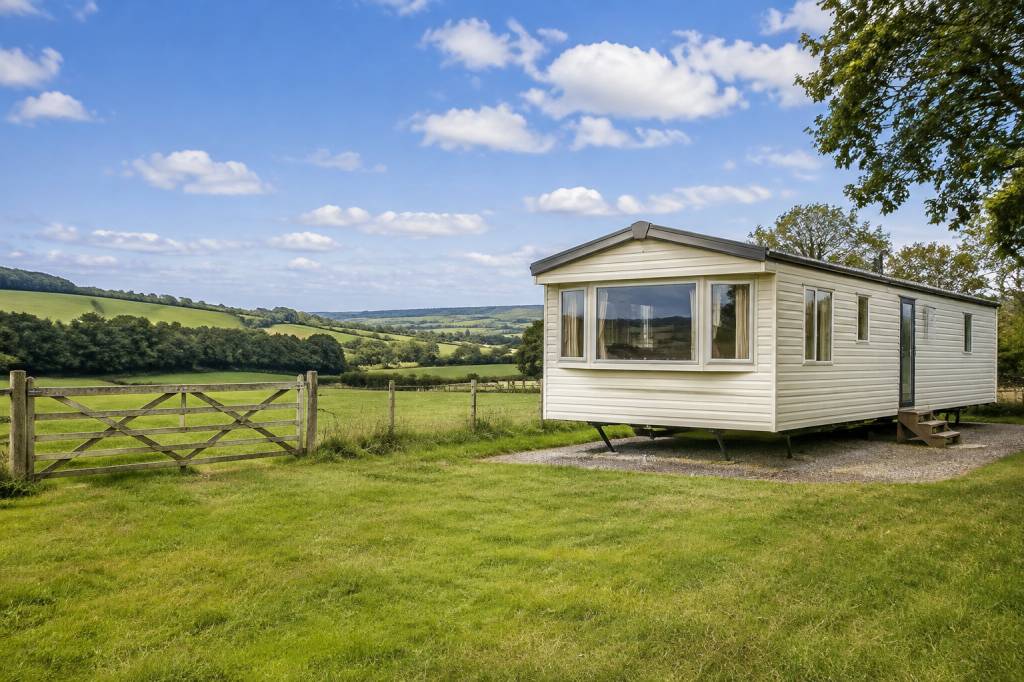
A static caravan on agricultural land can look like a modest solution to a very practical problem: somewhere to stay while tending livestock, watching over equipment or building a rural business. Yet a caravan’s wheels, however discreet, do not make planning rules disappear. The key question is usually not simply what the structure is, but how the land and the caravan will be used.
Rules differ across the UK, and planning decisions depend on local circumstances. The guidance below focuses mainly on England. Before spending money or moving a caravan onto a field, check the rules with your local planning authority (LPA) and seek advice specific to your site.
Why agricultural land is not a planning blank canvas
A field may feel far removed from the bustle of town, but it is still subject to planning control. Authorities consider the effect of development on the countryside, landscape, roads, wildlife, drainage and nearby homes. They may also ask whether a proposal genuinely supports agriculture or simply creates a new residential use in a location where housing would normally be resisted.
That distinction matters. A caravan used occasionally as part of a farm operation is not automatically treated the same as one occupied as someone’s home. Regular overnight stays, a permanent base and domestic features such as a garden, patio or parking area can all help indicate that the use has changed. What looks like one small unit may, in planning terms, be the beginning of a separate dwelling.
Does a static caravan count as development?
In England, the legal definition of a caravan is broad. A structure designed or adapted for human habitation may qualify if it can be moved from place to place, whether by being towed or transported on a vehicle. Some static caravans meet that definition even though they are not intended to travel regularly.
But being a caravan does not mean being free from planning control. Placing it on land can amount to a material change of use, particularly where the land begins to be used for residential accommodation. Associated works may also require permission: a hardstanding, access track, drainage system, fencing or utility connections can each raise separate planning questions.
Nor does removing the wheels necessarily settle matters. Authorities look at the structure, its installation and the use of the land. A caravan on blocks, connected to services and occupied year-round may attract much the same scrutiny as other forms of accommodation.
Temporary agricultural use and short stays
Farm work can create a genuine need for temporary accommodation. Lambing, calving, harvesting or a short-term project may require someone to be close at hand. In some circumstances, agricultural permitted development rights may allow certain temporary uses or buildings without a full planning application.
These rights are limited and conditional. They may depend on the nature and duration of the proposed use, the type of development, the land involved and whether the authority must be notified in advance. Rules also differ across the UK. Do not assume that a caravan qualifies simply because the need is temporary or agricultural. Ask the LPA whether the particular proposal is covered, and obtain its view in writing where possible.
The familiar “28-day rule” is often misunderstood. In England, permitted development rules can allow certain temporary uses of land for up to 28 days in a calendar year, subject to restrictions and exceptions. That is not a general permission to occupy a caravan as a home for 28 days, nor a reliable route to repeated or permanent residential use. The exact activity and any applicable limits matter.
When an agricultural worker’s dwelling may be considered
If someone needs to live on or near the holding, an agricultural worker’s dwelling may be possible, but it is not a shortcut around ordinary planning policy. Authorities commonly expect evidence that the agricultural enterprise needs a worker on site or nearby for essential operational reasons. They will also assess whether the business is viable and whether existing accommodation could meet the need.
In some cases, a temporary dwelling may be considered while a new enterprise becomes established. The applicant may need to provide a business plan, financial information and evidence of the need for a worker to be readily available. A caravan might form part of a proposal, but its type and temporary nature do not guarantee approval.
Consider a small livestock farm where animals require close monitoring at a critical stage. A clearly documented, time-limited need is easier to assess than a request to place a caravan in a field with no explanation beyond “it would be useful.” Planning decisions are made on evidence, not just on the understandable appeal of being closer to the animals.
What the planning authority is likely to assess
Every site has its own story. Before deciding whether a proposal is acceptable, an LPA may consider:
-
The purpose: Is the caravan required for a genuine agricultural activity, or would it mainly provide private residential accommodation?
-
The duration and pattern of use: Is the need clearly temporary, seasonal or permanent? Who will stay there, and how often?
-
The location: Would the caravan harm the character of the countryside, an important view, a conservation area or a protected landscape?
-
Access and safety: Can vehicles reach the site safely? Would new access works affect a rural road or neighbouring land?
-
Services and drainage: How will water, electricity, sewage and waste be managed without pollution or harm to the site?
-
Alternatives: Is there an existing farmhouse, building or other accommodation that could serve the same purpose?
-
Environmental effects: Could the proposal affect trees, habitats, protected species, flood risk or nearby residents?
A tidy site plan, a clear explanation of the agricultural need and an honest account of the intended use will help the authority understand the proposal. Concealing a residential intention is unlikely to make the process easier. It may instead undermine trust and create problems later.
Planning permission is not the only permission
Planning permission and a caravan site licence are separate matters. Depending on how the land is used and the applicable rules, a site licence may be required under caravan site legislation. Some exemptions exist, but they are specific; agricultural land does not automatically qualify for one.
Building regulations, highways requirements, environmental permits and rules for private water supplies or sewage may also be relevant. A septic tank or treatment system, for example, must be properly designed and managed. A unit that has planning approval can still fall foul of other requirements if its services are not compliant.
There may also be conditions attached to a planning permission. These can limit the period of use, the number of occupants, the purpose of the accommodation or the location of the caravan. Read them carefully. Permission for a temporary agricultural worker’s unit is not permission to turn it into a permanent family home.
What happens if you place one without permission?
An unauthorised caravan can prompt investigation, enforcement action or a requirement to stop the use and remove the unit. The authority may consider whether the breach can be resolved through a retrospective planning application, but applying after installation does not guarantee approval.
Planning enforcement time limits and procedures can be complex, and have changed in England. Do not rely on a rule of thumb about how long a caravan must remain before it becomes lawful. The relevant period may depend on the nature and date of the breach, transitional provisions and the evidence available. If you think a use has become lawful over time, seek professional advice and consider whether a lawful development certificate is appropriate.
Keeping records is sensible. Dated photographs, invoices, farm records and written agreements may help establish how a site has been used and when. But records are not a substitute for permission where permission is required.
A practical route before buying or siting a caravan
A few careful steps can save considerable expense and disappointment:
-
Describe the use precisely. Set out who will stay, why they need to be there, how often the caravan will be occupied and for how long.
-
Speak to the LPA early. Ask the planning department which rules apply and whether pre-application advice is available. Keep a record of the response.
-
Check local policies and constraints. Review the development plan and identify designations such as flood zones, protected landscapes or conservation areas.
-
Prepare evidence. For an agricultural need, explain the operation, the worker’s duties, the reason for on-site presence and any alternatives considered.
-
Plan the whole site, not just the unit. Include access, parking, utilities, drainage, landscaping and waste arrangements.
-
Confirm other approvals. Check licensing, building, highways and environmental requirements before work begins.
-
Get specialist advice where needed. A planning consultant or rural solicitor can help interpret complex rules and prepare an application.
If permission is needed, the application should match the real proposal. A temporary application should explain why the need is temporary and what will happen when the approved period ends. A permanent application should address the wider planning case for locating accommodation on the site.
Make the decision before the caravan arrives
For a farmer or rural business, on-site accommodation may be practical, even essential. For a planning authority, it may also represent a significant change to the use and character of open land. Both perspectives belong in the conversation.
Start with the purpose, establish which rules apply in your part of the UK, and get the necessary approvals before placing the caravan or preparing the site. A clear, well-supported proposal stands on firmer ground than a hurried installation followed by an anxious search for permission. In rural planning, the most useful first move is often not a vehicle arriving at the gate, but a phone call to the right authority.